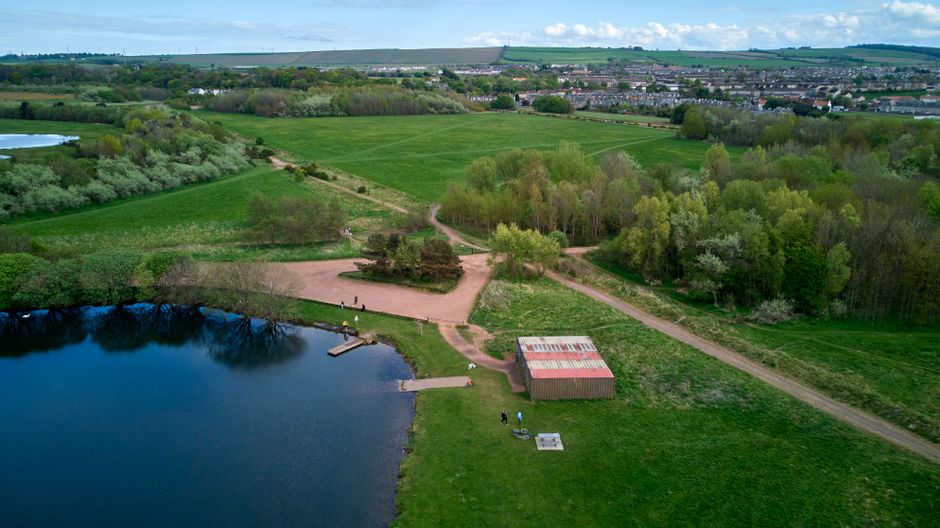
Northala Fields garden rescue by expert gardeners case study
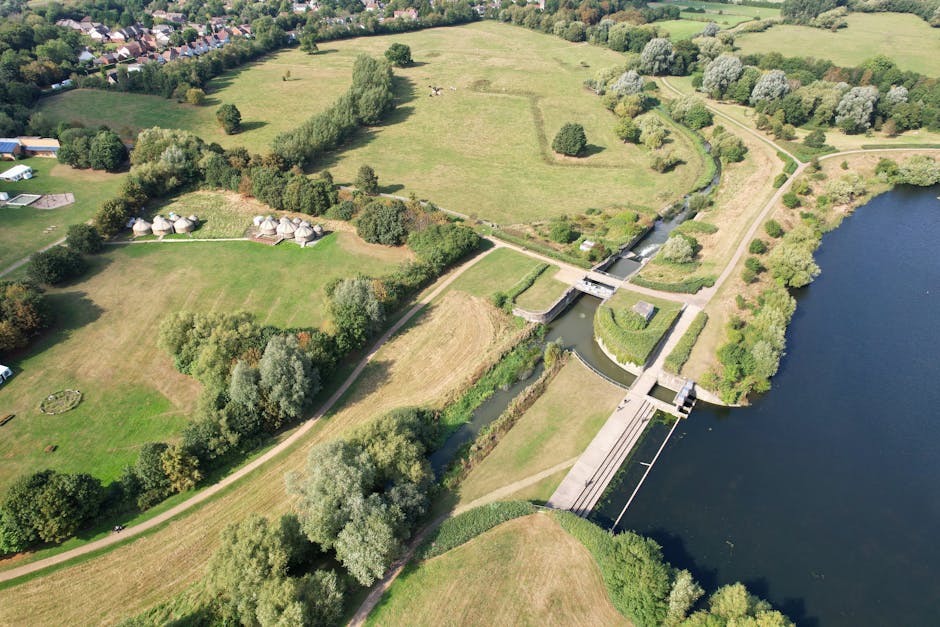
If you have ever looked at a tired, overgrown outdoor space and wondered whether it can be brought back without starting from scratch, you are in the right place. This Northala Fields garden rescue by expert gardeners case study explores what a proper recovery process looks like when a garden has slipped into damage, neglect, or simply poor layout. The focus here is practical: what expert gardeners notice first, how they prioritise work, and why a careful rescue often achieves better long-term results than a rushed tidy-up. Truth be told, gardens rarely fail all at once. They usually decline in layers.
In this guide, you will find a clear explanation of the rescue process, the main benefits, the common mistakes people make, and the standards worth paying attention to in the UK. You will also see a realistic case-study style breakdown of what an expert-led garden recovery involves, from clearance and pruning to soil improvement and ongoing maintenance. If you are trying to decide whether to restore, redesign, or simply stabilise a garden, this will help you think it through properly.
Why Northala Fields garden rescue by expert gardeners case study Matters
A garden rescue is not just about making things look neat again. It is about recovering structure, improving plant health, and stopping small issues from becoming expensive ones. A Northala Fields garden rescue by expert gardeners case study matters because it shows the difference between a cosmetic tidy-up and a true horticultural reset. Anyone can cut back a few shrubs. Much fewer people can read the space, understand what has gone wrong, and make the right cuts, removals, and improvements in the right order.
That distinction matters more than most people realise. Overgrown hedges can block light. Compacted soil can suffocate roots. Poor drainage can leave borders soggy for months. A garden that looks "messy" on the surface may actually be dealing with root competition, deadwood, pests, or structural damage. If you rush in with the wrong tools, you can make matters worse. And yes, that is the bit people only find out after the second trip to the skip.
Northala Fields is a useful frame for this kind of discussion because landscaped outdoor spaces in busy London settings often face the same pressures: heavy use, weather exposure, patchy aftercare, and a mix of soft landscaping that may have been left too long between interventions. The case study approach helps because it shifts the conversation from theory to decision-making. What do you tackle first? What do you leave alone? When should you clear, prune, repair, replant, or redesign?
For homeowners, landlords, and property managers, this matters because a well-planned rescue can protect value, improve usability, and reduce the workload later. A garden that feels manageable is more likely to stay healthy. That sounds obvious, but in our experience it is often the turning point. Once a space is back under control, maintenance becomes lighter, not heavier.
How Northala Fields garden rescue by expert gardeners case study Works
An expert garden rescue usually follows a sequence rather than a single "big tidy." The exact scope depends on the condition of the site, but the process is broadly consistent. First comes assessment. Then clearance. Then structural work. Then recovery planting or restoration. Finally, a maintenance plan so the garden does not slide back to square one. Simple enough in theory. Not always simple in practice.
In a Northala Fields garden rescue by expert gardeners case study, the assessment stage is where the biggest savings often happen. A trained gardener can identify what is dead, what is recoverable, what is overcrowded, and what is simply out of season. They will usually look at light levels, soil condition, access, drainage, safety risks, and the long-term shape of the space. This is the point where restraint matters. A confident gardener does not remove everything just because it looks untidy.
Clearance is usually the most visible stage. That may include removing green waste, broken supports, self-seeded growth, leaf litter, and unwanted brambles or bindweed. A heavy overgrowth can hide edging, paths, drains, and even damaged fencing. Once the clutter goes, the structure of the garden becomes obvious. Then the real decisions can be made. You can see the bones of the space, if you like.
After that comes the detailed work: hedge trimming, selective pruning, lawn recovery, border reshaping, soil conditioning, and sometimes tree lopping and removal where safety or light access is an issue. If the garden has hard landscaping features, a rescue may also involve checking paving, steps, retaining edges, or timber structures. For a fuller view of the services that often sit around this stage, it can help to review the wider services overview and related options like garden maintenance or landscape gardening.
One thing that separates expert work from a rushed job is sequencing. For example, you do not usually want to mow a lawn before removing deep weeds, and you do not want to prune blindly before checking for nesting birds or weak stems. Timing matters. So does judgement. A garden rescue done well feels measured, not frantic.
Key Benefits and Practical Advantages
The obvious benefit is that the garden looks better. But the real gains are usually more practical than that. A rescued garden is easier to use, easier to maintain, and less likely to develop hidden problems. That is why an expert-led approach is worth considering even if you are only half sure the space needs major work.
- Safer access: Clear pathways, removed hazards, and improved visibility reduce trip risks and make the space easier to move through.
- Better plant health: Reducing crowding, dead growth, and poor pruning habits helps surviving plants recover properly.
- Improved light and airflow: This can reduce disease pressure and encourage stronger growth, especially in shaded London gardens.
- Lower long-term maintenance: Once the garden is reset, weekly or monthly care becomes more manageable.
- Stronger layout: A good rescue restores the shape of the space so beds, paths, borders, and lawn areas make sense again.
- Better value perception: Whether for a home or rental property, a cared-for outdoor space creates a far better first impression.
There is also a quiet psychological benefit. A neglected garden can feel like a job hanging over you every time you look outside. Once it is under control, that pressure lifts. It sounds a bit dramatic, maybe, but many people feel it immediately. The back door opens, the air smells fresher after the cuttings are gone, and suddenly the space feels usable again.
Another practical advantage is that rescue work often reveals hidden issues early. Drainage failures, damaged timber, poor soil structure, and dying shrubs are much easier to deal with before they spread. Catching those things early can save time and money later, which is exactly the sort of boring wisdom that turns out to be very useful.
Who This Is For and When It Makes Sense
This kind of work is not only for severely neglected gardens. It makes sense for any space that has become awkward, unbalanced, or difficult to manage. The Northala Fields garden rescue by expert gardeners case study is especially relevant if you recognise any of these situations:
- The garden has become overgrown after a long gap in maintenance.
- Plants are crowding each other and the borders no longer have a clear shape.
- The lawn is patchy, mossy, or lost under weeds.
- Hedges and shrubs are blocking light, paths, or sightlines.
- You have inherited a property and need to understand what is salvageable.
- A rental garden needs to be made presentable for new tenants or inspections.
- Seasonal growth has got away from you after wet weather and busy months.
- You want a fresh start without paying for a full redesign.
It also makes sense if you are a property owner who does not want to guess. To be fair, a lot of people know something is wrong, but they are unsure whether the answer is pruning, clearance, replanting, or a complete makeover. That uncertainty is normal. A good site visit or review from a skilled gardener turns that uncertainty into a plan.
If you are already comparing options, it may help to look at practical services such as garden clearance, hedge trimming, or lawn mowing. Those jobs often sit inside a rescue project rather than standing alone.
Step-by-Step Guidance
Here is the simplest way to think about an expert garden rescue. It is a sequence of decisions, each one making the next easier. If you get the order wrong, you waste effort. If you get it right, everything else starts to click.
- Inspect the whole space. Walk the garden from end to end. Look for dead growth, unsafe branches, blocked drainage, broken edging, and areas that are thin, soggy, or dry.
- Separate what is salvageable from what is not. Some shrubs just need thinning. Others are too far gone. A professional eye matters here because a plant can look awful and still be worth keeping.
- Clear the obvious waste first. Remove cuttings, broken materials, fallen branches, and accumulated debris so the real structure becomes visible.
- Prune with purpose. Focus on light, shape, and health rather than just cutting back hard. Bad pruning leaves a garden looking worse by the next season.
- Tackle the lawn and borders. Edges, mowing, weeding, feeding, and aeration can transform the space faster than people expect.
- Improve soil where needed. Compost, mulch, or other organic matter can help restore life to tired beds.
- Repair or refresh hard features. Check fencing, edging, paths, and supports. Small fixes often make a big visual difference.
- Replant thoughtfully. Choose plants that suit the light, soil, and maintenance level you actually want, not the one you imagine having in a perfect week.
- Set a maintenance rhythm. A rescue is only a rescue if it stays rescued.
A practical example: imagine a rear garden where a mature hedge has sprawled over a path, the lawn has gone patchy under shade, and a border is full of mixed growth with no obvious structure. The rescue might begin with clearance, then selective hedge work, then a decision on whether the shaded lawn should be improved or partly reworked into a low-maintenance border. That is the kind of judgement call that saves regret later.
If you are planning the work yourself, pace matters. Don't try to do everything in one afternoon. You will miss details, and your back will complain loudly by tea time.
Expert Tips for Better Results
One of the best tips is to work from the outside in. Start with access, boundaries, and major overgrowth before worrying about small details. If you can move comfortably through the garden, you will make better decisions everywhere else.
Another useful habit is to prune for future shape rather than immediate emptiness. A lot of people overcut because they want instant neatness. The result is often a harsh, bare look that takes months to recover. Better to take a considered amount off, step back, and repeat only where needed. Slow wins, in this case.
It also helps to group tasks by type. Cutting, hauling, soil work, and planting are different jobs, and switching between them constantly eats time. Professional gardeners usually think in zones: clear one area, assess it, finish it, then move on. That approach keeps the work tidy and prevents half-finished patches from spreading across the site.
Here are a few expert-level pointers that make a real difference:
- Check for bird nesting before heavy pruning.
- Keep a sharper distinction between evergreen structure and seasonal planting.
- Do not overfeed stressed plants all at once; recovery should be gradual.
- Use mulch to stabilise moisture and suppress weed regrowth.
- Take before-and-after photos so you can see what has genuinely improved.
- Plan follow-up maintenance while the garden is still looking fresh.
Small thing, but important: keep your expectations realistic after a rescue. Some plants bounce back quickly. Others need a full season before they look settled. Gardens are not instant coffee. They do their own thing, at their own pace.
If waste removal and sustainability matter to you, it is sensible to consider how green waste is handled and whether reusable materials can be kept in play. The broader approach to recycling and sustainability can support a more responsible project overall.
Common Mistakes to Avoid
The most common mistake is overcutting. It is tempting because the garden looks tidier immediately, but too much removal can shock plants and leave the space exposed. A rushed rescue can also create a patchwork effect where some areas are stripped bare while others still feel tangled. Not ideal.
Another frequent problem is ignoring soil condition. People often focus on what they can see above ground and forget that weak, compacted, or depleted soil sits underneath everything. If the roots are struggling, the top growth will struggle too. Simple as that.
There is also a habit of treating every overgrown garden as if it needs the same remedy. It does not. A shaded courtyard, a family lawn, a sloping rear garden, and a boundary-heavy corner plot all need different handling. That is where a case-study mindset helps: read the site before choosing the intervention.
Other mistakes worth avoiding:
- Starting with planting before the structure is sorted.
- Removing too many mature plants at once.
- Using the wrong pruning method for hedges or shrubs.
- Leaving roots, debris, or hidden waste under the surface.
- Skipping safety checks around unstable trees or fencing.
- Trying to maintain a high-input garden with very limited time.
One more thing: do not assume a quick visual tidy means the garden is actually healthy. A neat surface can hide poor drainage, root damage, or pests. That is why the better rescue work goes deeper than appearances.
Tools, Resources and Recommendations
The right tools make a rescue safer and more efficient, but you do not need a van full of specialist gear for every job. For many projects, the basics still do the heavy lifting. What matters most is using them well, in the right order, with the right safety approach.
| Task | Helpful tools | Why they matter |
|---|---|---|
| Initial clearance | Gloves, sacks, rake, loppers | Speeds up removal of debris and light overgrowth |
| Pruning and shaping | Secateurs, hedge trimmer, pruning saw | Helps achieve clean, controlled cuts |
| Lawn recovery | Mower, aerator, scarifier, edging tools | Restores definition and improves grass health |
| Soil improvement | Compost, mulch, fork, barrow | Supports root recovery and moisture balance |
| Safety checks | Sturdy boots, eye protection, ladder where appropriate | Reduces the risk of avoidable accidents |
For homeowners considering a more complete refresh, it can help to think in terms of services rather than isolated tasks. A rescue may move naturally into landscaping if layout changes are needed, or decking services if the goal is to add a usable seating area. The point is not to overcomplicate things. It is to choose the right level of intervention.
Useful resources on the same site include the health and safety policy, insurance and safety, and pricing and quotes information. Those pages are worth reading if you want to understand how a professional service frames work, risk, and cost expectations.
For a broader sense of who the company is and how it works, the about us page can also help. Small detail, but the right background information makes it easier to choose well.
Law, Compliance, Standards, or Best Practice
For garden rescue work in the UK, best practice matters even where there is no single dramatic rulebook for every task. In practical terms, that means taking safety seriously, checking access, using equipment correctly, and being careful around trees, wildlife, and neighbouring boundaries. If the garden includes larger trees, protected planting, shared access, or walls and fences near public paths, a professional should stop and assess before cutting.
Risk management is not just paperwork. It is the quiet discipline that keeps a project from going sideways. For example, a good contractor will think about manual handling, sharp tools, ladder use, and disposal of green waste before the first branch is cut. They should also have a clear process for complaints, payment, and safety expectations. Those may sound like boring admin pages, but boring admin saves arguments later.
Where sustainability is part of the brief, recycling, composting, and responsible disposal should be part of the plan from the start. If materials can be reused safely, that is often better than sending everything away. And if a plant is borderline rather than dead, best practice is usually to assess before removing. Common sense, really, but common sense is often what gets forgotten when a garden feels overwhelming.
It is also wise to remember that bird nesting, wildlife, and nearby property conditions can affect timing and method. A careful gardener will not rush through that. If in doubt, the safer approach is to pause and review rather than force the job through on guesswork.
Options, Methods, or Comparison Table
Not every garden needs the same kind of rescue. Some spaces need a full clear-out and reset. Others only need structured maintenance and selective restoration. This comparison may help you judge the level of intervention that makes sense.
| Approach | Best for | Strengths | Limitations |
|---|---|---|---|
| Light tidy-up | Mostly healthy gardens with seasonal growth | Fast, low-disruption, keeps things neat | Won't solve deeper layout or plant-health problems |
| Targeted rescue | Overgrown spaces with salvageable structure | Balances clearance, pruning, and recovery | Needs good judgement and follow-up care |
| Full garden clearance | Severely neglected or unsafe areas | Removes a lot of risk and clutter | May leave a blank slate that needs redesign |
| Rescue plus redesign | Spaces with poor layout or failing features | Solves structural and visual issues together | Usually takes longer and needs a broader budget |
If you are unsure which route to take, start with a targeted rescue. That is often the most sensible middle ground. You can always expand the scope later, but it is harder to undo an overzealous clear-out. A garden is forgiving, mostly. But not infinitely so.
Case Study or Real-World Example
Here is a realistic case-study style example based on the kind of situation a professional gardener might face in the Northala Fields area. A rear garden has been left for a long stretch with minimal maintenance. The lawn is thin and patchy. A hedge has become dense and untidy. Several borders have merged into one another. The homeowner wants the space back, but does not want a total redesign. They mainly want control, safety, and a garden that feels usable again.
The first stage is a site review. The gardener checks what is alive, what is overgrown, and what is causing the biggest practical problems. The hedge is blocking light to the border beneath it. One shrub is recoverable with selective thinning, but another is too woody and sparse to justify keeping in its current position. The lawn is not beyond repair, although it needs edging, aeration, and time to recover after the surrounding overgrowth is reduced.
Next comes clearance. Debris is removed, old supports are taken out, and the space is opened up so the shape of the garden can be seen properly. This is usually the point where a homeowner says, "Oh, I forgot the path was there." It happens all the time. Once the clutter goes, the garden suddenly feels bigger.
Then the structural work begins. The hedge is reduced carefully rather than hacked back. The border is reshaped to give each plant a little breathing room. The lawn is mown at a sensible height, and the edges are cut back cleanly to define the space. Soil is improved where it looks tired, and a mulch layer is added to help retain moisture. A few weak plants are removed rather than propped up indefinitely. Sometimes that is the kindest thing you can do.
Finally, a maintenance plan is set. The garden does not need a weekly overhaul, but it does need a rhythm: regular mowing, seasonal hedge work, weed control, and a short review every few months to stop the overgrowth creeping back. That follow-up is the real difference between a one-off tidy and a true rescue.
Expert summary: the best garden rescues do not simply remove growth; they restore structure, light, access, and confidence. If a garden feels easy to use again, the job has been done well.
Practical Checklist
Use this checklist if you are planning a rescue and want to stay organised. It is simple, but it keeps the project from drifting.
- Walk the full garden and note problem areas.
- Identify dead, diseased, damaged, or overcrowded growth.
- Decide what can be saved before removing anything.
- Clear loose debris and hidden waste first.
- Prune shrubs and hedges with a clear shape in mind.
- Check the lawn for compaction, moss, or severe patchiness.
- Improve soil where borders look tired.
- Inspect fencing, edging, and other hard features.
- Make a plan for green waste disposal and recycling.
- Set a follow-up maintenance schedule.
If you want the work to stay manageable, keep the checklist visible while the job is underway. It sounds almost too basic, but basic systems are often the ones that actually work. Fancy later if you must. For now, simple is fine.
Conclusion
A Northala Fields garden rescue by expert gardeners case study shows that overgrown or neglected outdoor spaces are not beyond help. More often than not, they need the right order of work, a realistic plan, and the patience to restore structure before chasing perfection. That is the real lesson here. A good rescue creates breathing room, then makes the garden easier to live with over time.
If you are weighing up whether to clear, restore, or redesign, start with an honest assessment of what the space needs and how much upkeep you can realistically carry. The best outcome is not always the most dramatic one. Sometimes it is the one that feels calm, balanced, and manageable on a damp Tuesday morning when you glance outside and think, yes, that looks better. Much better.
Get a free quote today and see how much you can save.
Frequently Asked Questions
What does a garden rescue usually include?
A garden rescue typically includes clearance, pruning, hedge work, lawn recovery, border tidying, and sometimes minor repairs or planting. The exact mix depends on the condition of the garden and whether the aim is maintenance, restoration, or a more structural reset.
How is a garden rescue different from regular maintenance?
Regular maintenance keeps an already managed garden in shape. A rescue deals with a garden that has become overgrown, neglected, or unbalanced. In other words, maintenance prevents the problem; rescue fixes it.
Is a full clearance always necessary?
No, not always. In many cases, a targeted rescue is better because it preserves healthy plants and structure. Full clearance is usually reserved for severely neglected spaces, safety concerns, or gardens that need a complete fresh start.
How long does a garden rescue take?
It depends on size, access, and condition. A small or moderately overgrown garden might be manageable in a day, while larger or more complex spaces can take longer. The biggest factor is usually how much hidden work turns up once the clutter is removed.
Can an overgrown lawn be saved?
Often, yes. If the grass is still alive, a lawn may recover with mowing, edging, aeration, weed control, feeding, and regular follow-up. If the area is mostly moss, weeds, or bare ground, partial reworking may be more realistic.
What should I do first if my garden has got out of control?
Start by walking the space and identifying hazards, dead material, and the biggest access problems. Do not rush straight into cutting everything back. A clear plan will save time and reduce the risk of damaging recoverable plants.
Do I need professional help for a garden rescue?
Not always, but professional help is sensible if the garden has mature hedges, large trees, unsafe growth, poor access, or a lot of accumulated waste. A skilled gardener can also help you avoid overcutting and wasting plants that could still be saved.
What are the main risks of doing it myself?
The most common risks are overpruning, injury from tools, poor lifting technique, and removing plants that could have recovered. There is also the risk of doing the work in the wrong order, which can create more mess and more cost later.
How do I keep the garden from becoming neglected again?
Set a simple routine. Regular mowing, seasonal hedge trimming, light weeding, and a short check every few months usually make a big difference. The key is consistency, not perfection.
Will a rescue increase the value of my property?
It can improve the overall presentation and usability of the property, which often helps buyer or tenant perception. That said, value depends on many factors, so it is better to think in terms of presentation, function, and maintenance rather than making a hard financial promise.
What if I only want part of the garden rescued?
That is completely normal. Many projects focus on a single area first, such as a rear lawn, a boundary hedge, or a neglected border. A phased approach can be more practical if budget or time is limited.
How do I know whether pruning or removal is the right choice?
A good rule of thumb is to consider shape, health, and future growth. If a plant is still structurally sound, pruning may be enough. If it is woody, sparse, diseased, or badly placed, removal may be the more sensible option.
Sometimes the garden just needs someone to look at it calmly and say, right, here is the plan. That alone can be a relief.